


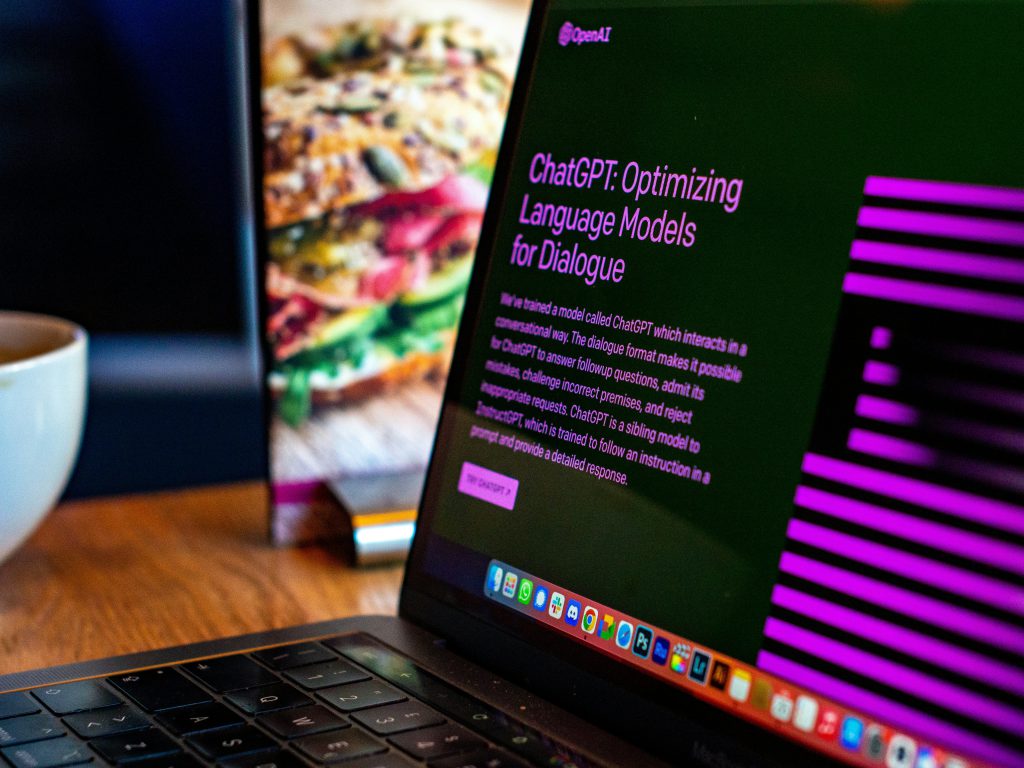
From Brushstrokes to Algorithms: How AI is Transforming Creative Workflows in Design Studios
The design world is buzzing with a new, powerful collaborator: Artificial Intelligence. Far from being a futuristic threat, AI is rapidly integrating into design studios, fundamentally reshaping creative workflows and empowering designers to achieve more, faster, and with greater innovation. This isn’t just about automation; it’s about augmentation, turning designers into strategic curators and visionaries.
Beyond Automation: AI as a Creative Partner
Remember those tedious, repetitive tasks that would eat into your creative time – meticulously removing backgrounds, resizing assets for a dozen platforms, or generating endless colour palette variations? AI is stepping in to handle these time-consuming chores with incredible efficiency. Tools like Adobe Firefly, Canva’s Magic Studio, and Remove.bg are now indispensable, allowing designers to reclaim hours previously lost to manual adjustments.
But the impact goes far beyond mere automation. AI is proving to be a powerful creative partner, especially in the ideation and conceptualisation phases:
- Rapid Prototyping and Ideation:
Generative AI tools such as Midjourney, DALL-E, and Stable Diffusion can conjure up a multitude of visual ideas from simple text prompts. Need a dozen variations of a product shot, different mood explorations for a campaign, or entirely new design concepts? AI can deliver first drafts in minutes, kicking creative blocks to the curb and enabling designers to explore more diverse avenues faster.
- Data-Driven Design Insights:
AI can analyse vast datasets of design trends, user preferences, and brand aesthetics. This provides designers with invaluable insights, helping them make more informed decisions about layouts, typography, and imagery that resonate with target audiences. This data-driven approach minimises guesswork and maximises impact.
- Enhanced Visual Production:
Imagine creating custom visuals on demand, without Browse endless stock photo libraries. AI can generate bespoke images and illustrations, allowing design teams to produce exactly what they need, at scale, while maintaining brand consistency.
- Shifting Roles: From Maker to Curator and Strategist
This integration of AI means a significant evolution for the designer’s role. No longer solely focused on the “making” of every single pixel, designers are becoming increasingly vital as curators, strategists, and ethical overseers.
- Strategic Direction:
With AI handling much of the heavy lifting, designers can dedicate more time to strategic thinking, problem-solving, and creative direction. Understanding business goals, user psychology, and brand strategy becomes paramount.
- Curation and Refinement:
AI provides options, but human discernment is crucial. Designers are now tasked with curating the best AI-generated outputs, refining them, and ensuring they align perfectly with the client’s vision, brand identity, and accessibility standards.
- Ethical Considerations:
As AI becomes more powerful, designers also play a critical role in addressing the ethical implications of AI-generated content, ensuring authenticity, cultural sensitivity, and responsible use of the technology.
The fear that AI will replace human designers is quickly dissipating. Instead, we’re witnessing a powerful synergy. AI thrives on data and logic, excelling at efficiency and generating variations. Humans bring empathy, intuition, nuanced understanding of brand tone, and the ability to tell compelling stories – elements that AI simply cannot replicate.
Design studios that embrace this collaborative future will be the ones that thrive. By leveraging AI to automate repetitive tasks and spark new ideas, designers are freed to focus on the truly creative, strategic, and human-centric aspects of their work. The result? Faster project completion, reduced bottlenecks, hyper-personalised designs, and ultimately, more impactful and innovative creative outcomes.
AI isn’t taking over creativity; it’s elevating it, pushing the boundaries of what’s possible in design and opening up a realm of exciting new opportunities for creative expression. The design studio of today, and certainly tomorrow, is a place where human ingenuity is powerfully augmented by artificial intelligence, creating a future that is smarter, faster, and infinitely more creative.
- Strategic Direction: